Solutions
With two decades dedicated to Aerospace assembly, AIT has amassed a wealth of experience as a leading prime contractor and factory integrator.
By collaborating/working with major Aerospace companies, AIT has developed a solutions-oriented engineering expertise about what customers need, what works best, what doesn’t work, and applies that knowledge to future programs.
AIT has manufactured, delivered, and maintained hundreds of positioning machines in the Aerospace industry, and many of the systems share a standard design. AIT can modify this design to exactly match the unique requirements for each project.
Because we are able to use a standard design for each project, AIT can provide the shortest lead time and most reliable system in the industry.
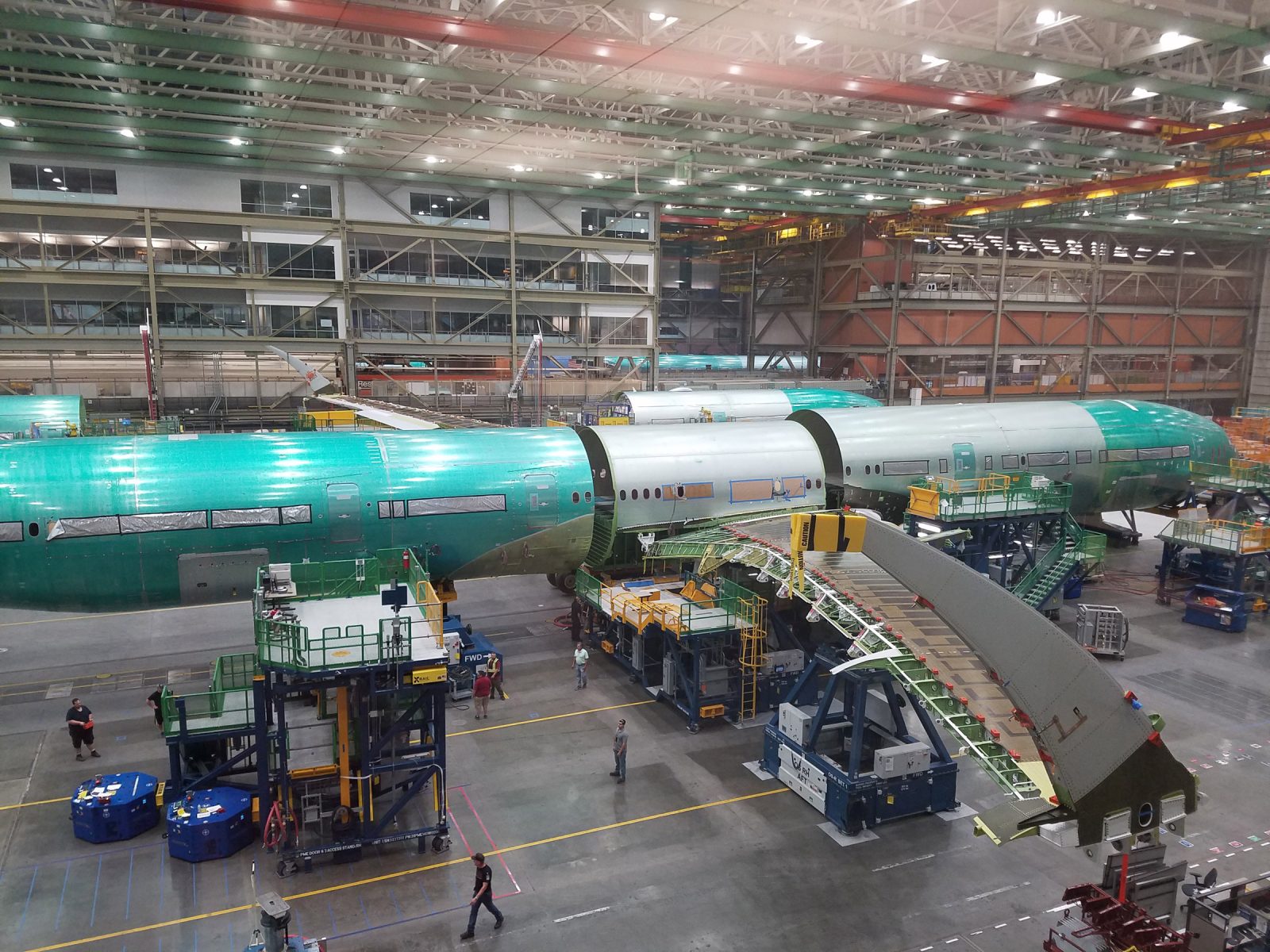
Factory Planning, Simulation, and Integration
Lorem ipsum dolor sit amet, consectetur adipiscing elit. In blandit ipsum eget tortor interdum tincidunt. Nam ultrices, nibh vitae euismod tincidunt, libero ante viverra leo, quis convallis lacus sem in nibh. Proin posuere justo vel nunc euismod, id mattis dolor tincidunt. Nulla vehicula metus nunc, sit amet iaculis tortor feugiat eget. Phasellus eleifend cursus ligula quis dapibus. Vestibulum tincidunt erat id tincidunt imperdiet. Morbi tristique, eros vel sagittis fringilla, ante nisl consectetur sapien, ut dignissim lectus augue in arcu. In a hendrerit nulla, in suscipit ex. Sed cursus nunc eget vulputate pharetra. Aenean mollis velit dolor, ut semper libero posuere condimentum. Donec ac bibendum orci. Quisque et ex vehicula lorem porttitor efficitur. Morbi pretium, urna a dapibus mollis, elit orci placerat lacus, id egestas tellus nibh ut arcu.
Donec ornare vulputate consequat. Sed luctus aliquet facilisis. Phasellus eget ligula id eros eleifend rutrum. Suspendisse eget elit eget est venenatis molestie vitae eget turpis. Nulla congue ligula lacus, in interdum nisl convallis nec. Fusce rhoncus accumsan facilisis. Fusce mollis, risus at pretium congue, tortor lectus facilisis ex, eget finibus leo dui ut odio. Integer laoreet pellentesque lorem. Proin lacinia, tortor nec porttitor viverra, enim arcu feugiat ex, sit amet imperdiet libero sapien vel nisi. Donec sollicitudin diam arcu, cursus elementum nulla egestas sed. Proin dignissim sit amet purus vitae cursus. Suspendisse at sem tincidunt, convallis turpis sed, ultricies nisi. Quisque rhoncus tempor placerat. Nam non tempor nisi, vitae consequat nulla. Maecenas tempus nibh lorem, in ultricies sem dignissim ac. Cras porta mauris neque, eget iaculis ligula vulputate at
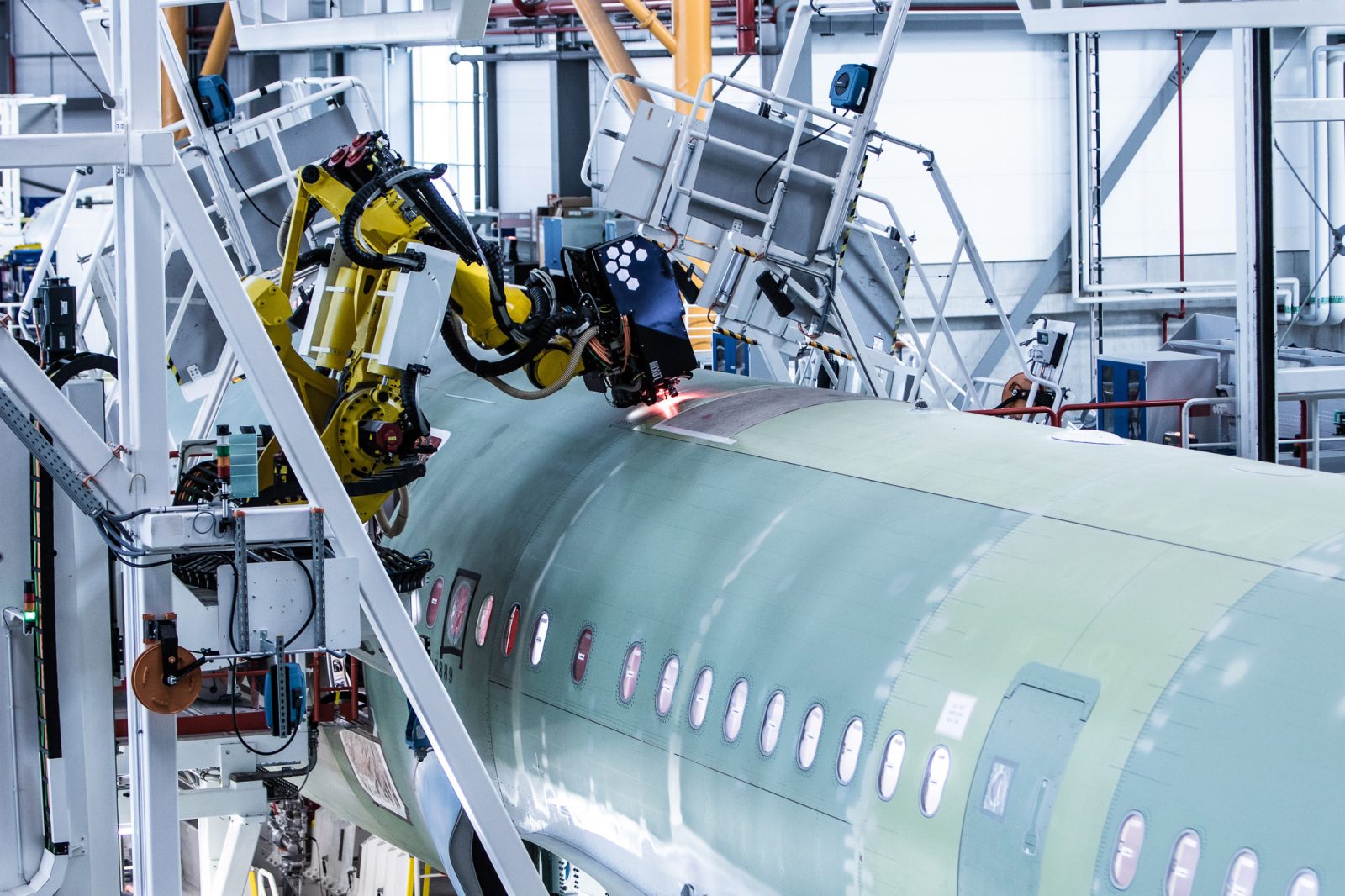
Positioning & Joining
AIT has been building precision turnkey automated positioning systems for large aircraft assembly for almost two decades, with more systems operational worldwide than any other company. In fact, the engineering staff at AIT has been involved with almost every large airframe automated control system in the Aerospace industry.
Because of our experience manufacturing hundreds of positioning machines, AIT has been able to develop a standard design for many system elements. AIT can easily modify these designs to exactly match the unique requirements for each project. By using a standard design, AIT provides the shortest lead time and most reliable systems in the industry.
System Elements
With automated positioning systems, AIT has enhanced the Aerospace industry’s ability to manufacture aircraft in less time and with greater exactness and flexibility. Our positioning precision boasts a 0.005” accuracy or better. What gives AIT positioning systems their superior performance is the combination of mechanical actuators (or positioners), control system, and laser measurement system.
The positioners support airplane subassemblies and smoothly move them in a linear fashion as well as rotationally. Each positioner is effectively a three-axis machine whose precision motion is accomplished via servo motor control with resolver feedback.
The automated tool’s control system consists of a high-speed, multiple-axis motion controller and user interface computer. Together, these components synchronize and coordinate the multiple axis moves. An intuitive graphical user interface (GUI) is used to control the system and simplifies the process. AIT’s systems require minimal training while also reducing errors.
AIT’s automated positioning systems incorporate laser measurement technology to facilitate aircraft structure alignment and join. The real-time laser measurement replaces jigs for locating parts and identifies out-of tolerance conditions before errors occur. Real-time part-to-part indexing offers higher tolerance, more flexibility, superior access, and improved ergonomics over traditional hard tooling. This improved method of assembly is controlled through the use of the GUI or joystick, making the system exceeding user friendly.
Benefits
Each benefit of AIT’s positioning systems results in heightened cost containment for our customers.
Speed - Faster tool setup, faster positioning of assemblies, and fewer move iterations to locate the assemblies result in faster flow of assemblies through the factory floor, shorter cycle time, and reduced work in process.
Quality - Unrivalled number of automated positioning machines in the aircraft industry ensures utmost accuracy and precision. Automated positioning produces superior quality final assemblies through tactile subassembly handling and by providing a means to analyze as-built data.
Reduced Direct Labor - User-friendly technology facilitates greater production rates, less overall labor costs, and fewer human errors.
Flexibility - Flexible automation equipment means a lower investment of fixed tooling, shorter lead times if a variation is introduced, and flexibility with production and the facility.
Autonomous AGV Movement
Ultimate flexibility is a premium when it comes to maneuvering on a plant or factory floor during the aircraft manufacturing process. And AIT’s Automated Guided Vehicles (AGVs) – customized to a customer’s exact requirements – are designed with the maneuverability needed to transport and position any precision tooling, assembly equipment, people, and large structures.
Two frequently used types of AIT AGVs are the complete fuselage transporters and section transporters, with integrated functions for lifting and positioning. These omni-directional vehicles can move their load axially, laterally, or as needed to maneuver safely and efficiently through a facility and into/out of work cells.
For load carrying capacity, each vehicle is equipped with a multi-wheel design with all-wheel synchronized steering.
The transporters can also function in tandem mode, where two AGVs work together as one unit. The vehicle’s steel structure offers the utmost in stable and durable construction, while maintaining flexibility. The chassis is a low picture frame style design containing a wheel system in each corner. This design allows the AGVs to slightly articulate to adapt to deviations in the factory floor.
Drive Modes
What makes the AGVs so flexible is the design of the drive modes, giving our AGVs unrivalled mobility to maximize floor space and reduce the costly labor associated with moving and positioning aircraft components.
Precise Control
For precise, controlled movements, the AGV is outfitted with an advanced onboard control system, including sensors and cameras, for unparalleled performance. Users can easily maneuver the equipment from either a graphical user interface (GUI) touchscreen or joystick.
Using the GUI touchscreen on the main control panel, the user can make command mode and function changes, such as lifting modes, tandem mode, etc., from a single screen. From the joystick, the user can drive the vehicles. Because of its intuitive design, training a user is an incredibly simple process, which equates to reduced cycle time and fewer errors.
Drive Units
The larger transporters are equipped with twin drive units, each powered by electrical motors: a drive motor that controls the speed and a steering motor that adjusts the wheel angle. All drive units are controlled with the Programmable Logic Controller.
Unlike conventional fixed wheels that can only roll forward and backward, the AIT drive unit can rotate on its own axis and move the machine in any direction. Again, this flexibility results in maximized use of a facility as well as optimum maneuverability in tight spaces.
Final Assembly
Lorem ipsum dolor sit amet, consectetur adipiscing elit. In blandit ipsum eget tortor interdum tincidunt. Nam ultrices, nibh vitae euismod tincidunt, libero ante viverra leo, quis convallis lacus sem in nibh. Proin posuere justo vel nunc euismod, id mattis dolor tincidunt. Nulla vehicula metus nunc, sit amet iaculis tortor feugiat eget. Phasellus eleifend cursus ligula quis dapibus. Vestibulum tincidunt erat id tincidunt imperdiet. Morbi tristique, eros vel sagittis fringilla, ante nisl consectetur sapien, ut dignissim lectus augue in arcu. In a hendrerit nulla, in suscipit ex. Sed cursus nunc eget vulputate pharetra. Aenean mollis velit dolor, ut semper libero posuere condimentum. Donec ac bibendum orci. Quisque et ex vehicula lorem porttitor efficitur. Morbi pretium, urna a dapibus mollis, elit orci placerat lacus, id egestas tellus nibh ut arcu.
Donec ornare vulputate consequat. Sed luctus aliquet facilisis. Phasellus eget ligula id eros eleifend rutrum. Suspendisse eget elit eget est venenatis molestie vitae eget turpis. Nulla congue ligula lacus, in interdum nisl convallis nec. Fusce rhoncus accumsan facilisis. Fusce mollis, risus at pretium congue, tortor lectus facilisis ex, eget finibus leo dui ut odio. Integer laoreet pellentesque lorem. Proin lacinia, tortor nec porttitor viverra, enim arcu feugiat ex, sit amet imperdiet libero sapien vel nisi. Donec sollicitudin diam arcu, cursus elementum nulla egestas sed. Proin dignissim sit amet purus vitae cursus. Suspendisse at sem tincidunt, convallis turpis sed, ultricies nisi. Quisque rhoncus tempor placerat. Nam non tempor nisi, vitae consequat nulla. Maecenas tempus nibh lorem, in ultricies sem dignissim ac. Cras porta mauris neque, eget iaculis ligula vulputate at
Drilling Solutions
To overcome many of the disadvantages associated with conventional drilling machines, AIT developed and implemented mobile, numerically controlled drilling machines. In fact, a new wing design for the Boeing 767 in the late ‘90s drove the need for AIT to develop its Numerically Controlled Drill Jig (NCDJ).
Historically, drilling fastener holes in large assemblies was accomplished using large machine tools, which were bulky and stationary. Aircraft components had to be delivered to these drillers, creating an inflexible, slower manufacturing process.
Advantages
Many of the advantages of the NCDJ over traditional drilling machines include:
Flexibility - Conforms to various spar configurations regardless of program model or spar hand and can work along entire length of spar
Size - Reduces overall driller size and maximizes work area, while minimizing tooling costs
Ergonomics - Eliminates the need for moving heavy, powered feed drills from hole to hole
Cost Savings - Eliminates the need for fixed drill templates, saving money associated with their design, fabrication and maintenance
AIT NCDJs are small and mobile and possesses extensive computing power to download positions of hole sites and control the positioning of the end effector. The NCDJ conforms to various jig configurations regardless of the program model or position on the wing.
In short, the controller for the NCDJ quickly orients the machine, downloads the hole sites appropriate to the model under construction, and accurately determines the mini-driller's precise location in relation to the work piece.
A graphical user interface (GUI) allows the operator to read the projected position of the hole sites, as downloaded from the Numeric Control Server, off of the GUI and to make ad hoc corrections to the projected hole sites.
See these projects for AIT NCDJ experience:
Additional experience:
- Boeing 767 Stage 2 Spar NC Drilling Machine
- Boeing F/A-18E/F Forward Fuselage NC Drilling Machine

Tooling, Molds, Fixtures, and Platforms
Heating and Curing Solutions
Donec ornare vulputate consequat. Sed luctus aliquet facilisis. Phasellus eget ligula id eros eleifend rutrum. Suspendisse eget elit eget est venenatis molestie vitae eget turpis. Nulla congue ligula lacus, in interdum nisl convallis nec. Fusce rhoncus accumsan facilisis. Fusce mollis, risus at pretium congue, tortor lectus facilisis ex, eget finibus leo dui ut odio. Integer laoreet pellentesque lorem. Proin lacinia, tortor nec porttitor viverra, enim arcu feugiat ex, sit amet imperdiet libero sapien vel nisi. Donec sollicitudin diam arcu, cursus elementum nulla egestas sed. Proin dignissim sit amet purus vitae cursus. Suspendisse at sem tincidunt, convallis turpis sed, ultricies nisi. Quisque rhoncus tempor placerat. Nam non tempor nisi, vitae consequat nulla. Maecenas tempus nibh lorem, in ultricies sem dignissim ac. Cras porta mauris neque, eget iaculis ligula vulputate at.
Nam pretium et felis id dignissim. Etiam eget fermentum tellus. Cras velit est, commodo et turpis nec, pellentesque porta nisi. Integer mollis pellentesque lacus. Vestibulum molestie tellus purus, at fringilla risus lacinia non. Etiam quam est, ultricies non blandit vel, facilisis et nisl. Pellentesque eget dui sit amet mi hendrerit sodales. Fusce est ipsum, molestie eget ullamcorper vel, molestie quis enim. Proin ac sagittis nisl. Quisque nec facilisis ligula.
Additive Manufacturing
Nam pretium et felis id dignissim. Etiam eget fermentum tellus. Cras velit est, commodo et turpis nec, pellentesque porta nisi. Integer mollis pellentesque lacus. Vestibulum molestie tellus purus, at fringilla risus lacinia non. Etiam quam est, ultricies non blandit vel, facilisis et nisl. Pellentesque eget dui sit amet mi hendrerit sodales. Fusce est ipsum, molestie eget ullamcorper vel, molestie quis enim. Proin ac sagittis nisl. Quisque nec facilisis ligula.
Donec aliquet a dui non facilisis. Suspendisse erat ante, malesuada sed urna sed, gravida finibus mi. Praesent vel rutrum lacus. Aenean viverra venenatis ligula non convallis. Nullam commodo gravida lorem id euismod. Donec lacus tortor, rutrum ac imperdiet eget, imperdiet viverra enim. Maecenas interdum dui quis nunc consequat tempus pulvinar et enim. Nam faucibus massa et ex volutpat, sed imperdiet elit vehicula. In consectetur leo sed tortor tincidunt, eget mollis odio malesuada. Donec a odio at nulla faucibus faucibus.
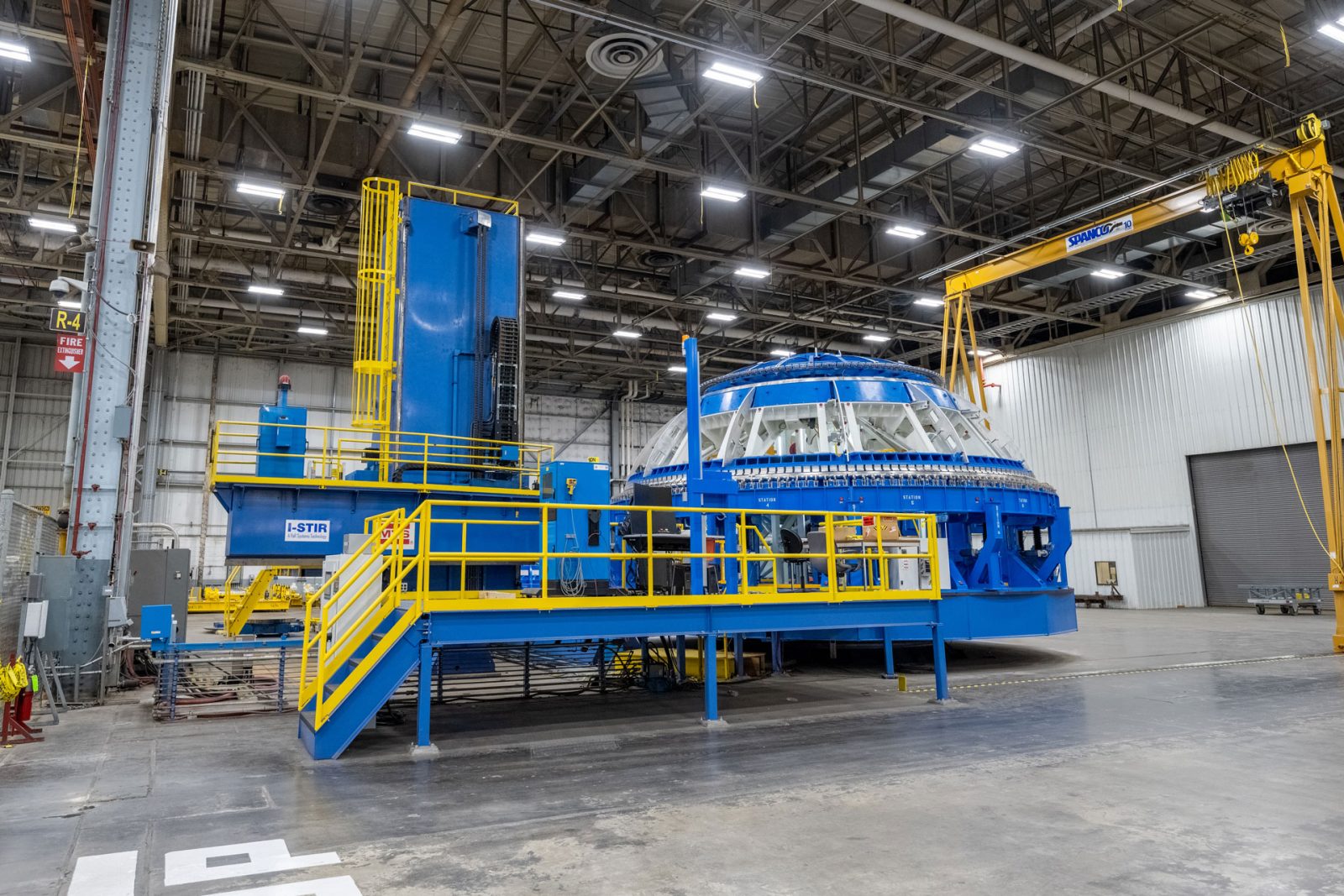
Friction Stir Welding
Friction Stir Welding (FSW) is a solid state joining process that produces improved joint properties as compared to conventional fusion welding techniques.
Fusion welding is characterized by melting of the material, adding a filler rod, and natural cooling to form a weld. A shielding gas is required to protect the weld from contamination. FSW is accomplished at temperatures below the melting point of the material, and neither introduces filler rod nor requires shielding gas to form the joint.
By its nature, FSW eliminates problems associated with cooling from the melted condition such as porosity, solidification cracking and shrinkage. In comparison, FSW has been found to produce nearly defect free joints.

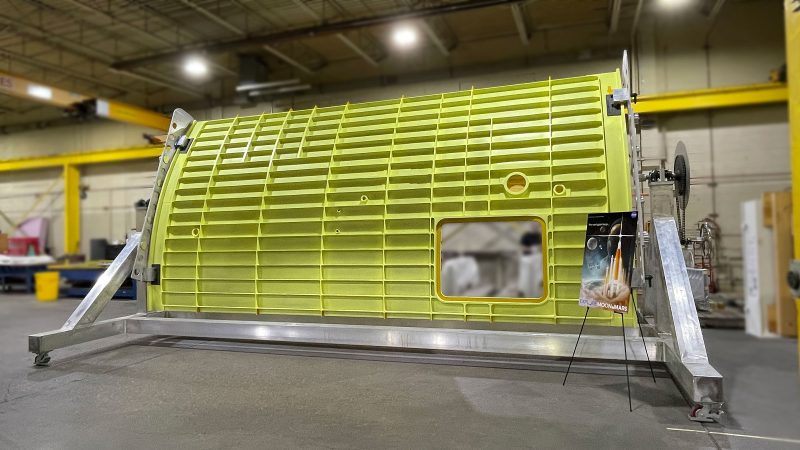
Complex Fabricated Parts
Donec aliquet a dui non facilisis. Suspendisse erat ante, malesuada sed urna sed, gravida finibus mi. Praesent vel rutrum lacus. Aenean viverra venenatis ligula non convallis. Nullam commodo gravida lorem id euismod. Donec lacus tortor, rutrum ac imperdiet eget, imperdiet viverra enim. Maecenas interdum dui quis nunc consequat tempus pulvinar et enim. Nam faucibus massa et ex volutpat, sed imperdiet elit vehicula. In consectetur leo sed tortor tincidunt, eget mollis odio malesuada. Donec a odio at nulla faucibus faucibus.
Nam pretium et felis id dignissim. Etiam eget fermentum tellus. Cras velit est, commodo et turpis nec, pellentesque porta nisi. Integer mollis pellentesque lacus. Vestibulum molestie tellus purus, at fringilla risus lacinia non. Etiam quam est, ultricies non blandit vel, facilisis et nisl. Pellentesque eget dui sit amet mi hendrerit sodales. Fusce est ipsum, molestie eget ullamcorper vel, molestie quis enim. Proin ac sagittis nisl. Quisque nec facilisis ligula.